
Robotics

Introduction to Robotics

Robotics is the interdisciplinary field that brings together engineering, computer science, and technology to design, construct, and operate machines capable of performing tasks autonomously or semi-autonomously. At its core, robotics seeks to create systems that can sense their environment, process information, make decisions, and execute physical actions—effectively bridging the gap between the digital and physical worlds.

Modern robots range from industrial arms that assemble cars with precision to autonomous vehicles navigating city streets, from surgical systems enabling minimally invasive procedures to drones delivering packages. What unifies these diverse machines is their integration of mechanical structures, electronic sensors, actuators for movement, and intelligent control systems that allow them to interact meaningfully with their surroundings.

The field draws on mechanical engineering for physical design and movement, electrical engineering for power and control systems, computer science for programming and artificial intelligence, and increasingly, materials science for creating more adaptive and capable machines. As sensors become more sophisticated, processors more powerful, and algorithms more intelligent, robots are moving beyond repetitive factory tasks into complex, unstructured environments where they work alongside humans, assist in healthcare, explore dangerous or inaccessible locations, and tackle challenges from disaster response to space exploration.

History of Robotics
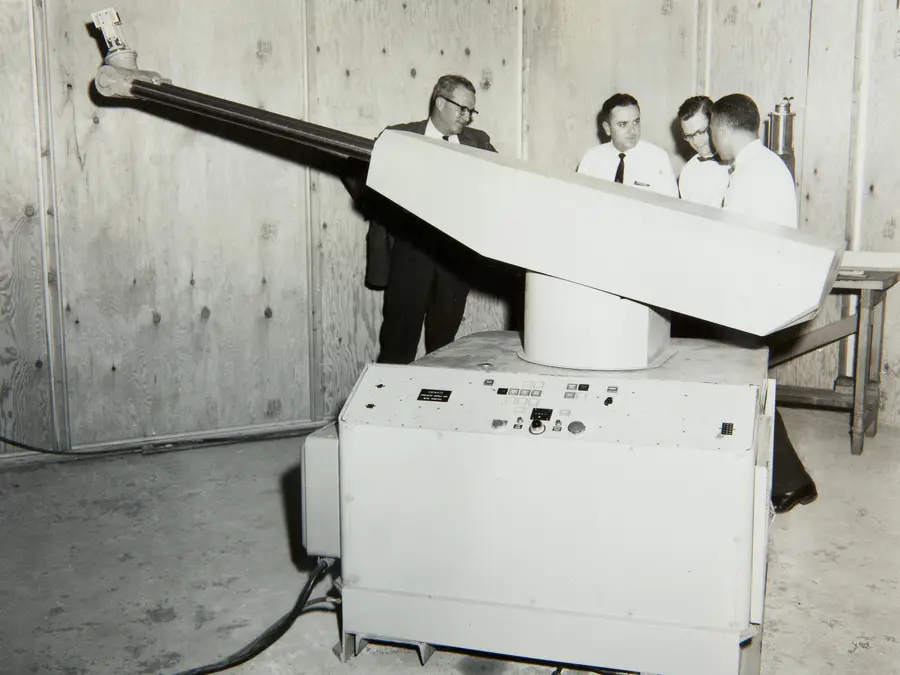
The concept of artificial beings and automated machines has captivated human imagination for millennia, from ancient Greek myths of Talos, a bronze automaton, to elaborate mechanical devices in medieval Islamic and Chinese civilizations. However, modern robotics as a scientific discipline emerged in the 20th century at the intersection of several technological revolutions.
The term “robot” itself entered popular culture through Karel Čapek’s 1920 play “R.U.R.” (Rossum’s Universal Robots), derived from the Czech word “robota” meaning forced labor. Isaac Asimov later popularized “robotics” in his science fiction works of the 1940s, including his famous Three Laws of Robotics, which continue to influence ethical discussions in the field today.
The first practical industrial robot, Unimate, was installed in a General Motors plant in 1961, developed by George Devol and Joseph Engelberger—the latter often called the “father of robotics.” This hydraulic arm performed die casting and spot welding, inaugurating the age of industrial automation. Throughout the 1970s and 1980s, robot arms became fixtures in manufacturing, particularly in automotive assembly lines, driven by advances in computer control and precision engineering.

Japan emerged as a dominant force in robotics during the 1970s and 1980s, driven by both industrial need and cultural acceptance of automated technology.
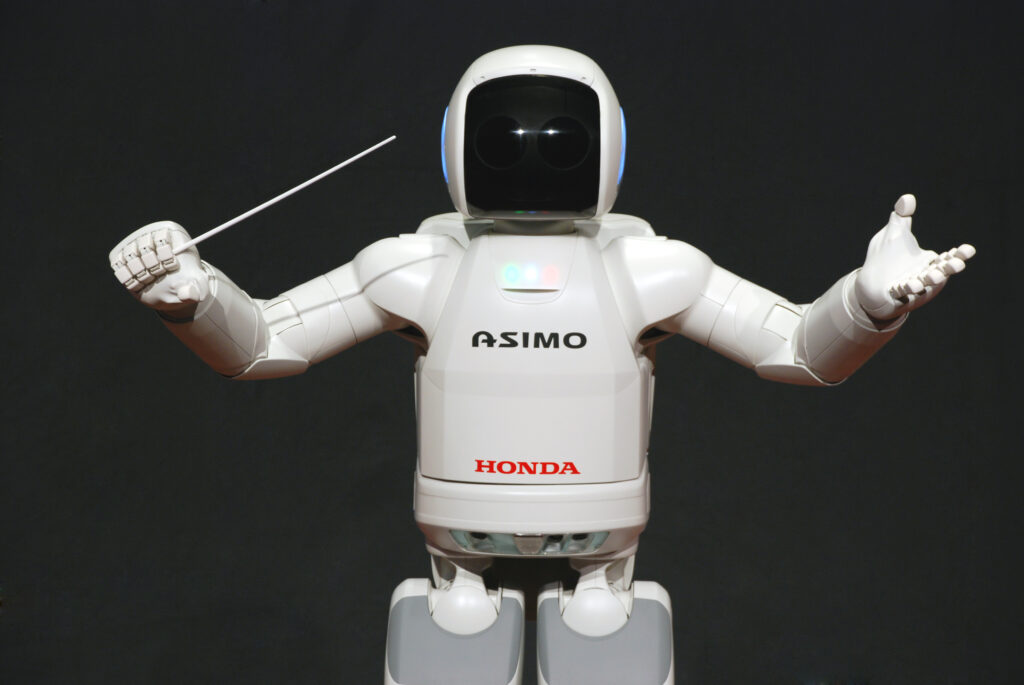
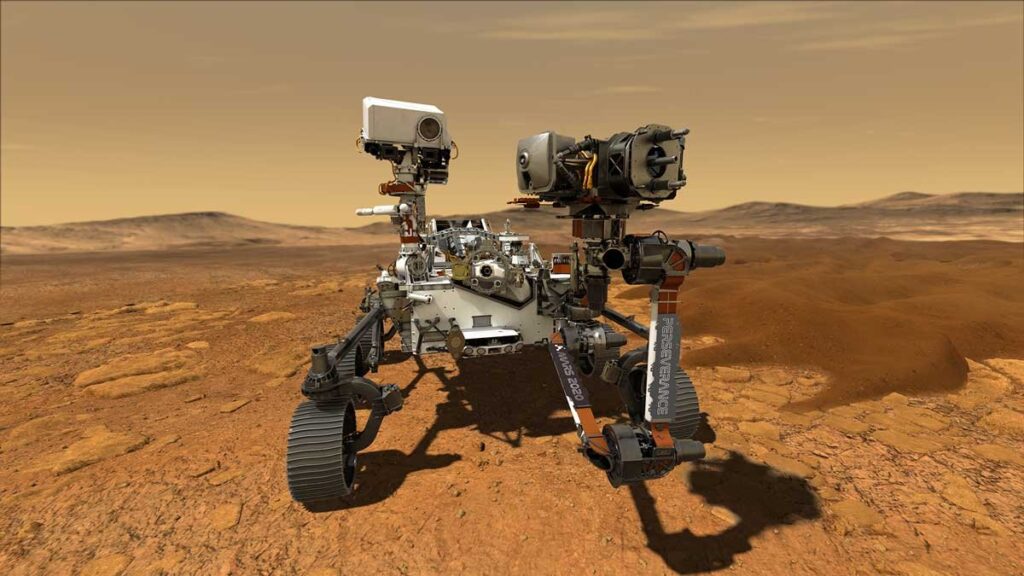
 Companies like Fanuc, Yaskawa, and Kawasaki became global leaders in manufacturing robot arms, and by the 1980s, Japan operated more industrial robots than any other nation. Japanese researchers pioneered humanoid robotics at institutions like Waseda University, which created the WABOT-1 in 1973, one of the first full-scale anthropomorphic robots capable of walking and manipulating objects. This emphasis on humanoid forms reflected a cultural perspective influenced by popular media like Osamu Tezuka’s Astro Boy, which portrayed robots as helpful companions rather than threats. Japan’s sustained investment in robotics research and development established it as a powerhouse that would later produce iconic robots like Honda’s ASIMO and Sony’s entertainment robots.
 
The field expanded dramatically in the late 20th century with the development of mobile robots. Stanford’s Shakey robot in the late 1960s demonstrated early autonomous navigation and reasoning, while NASA’s Mars rovers, beginning with Sojourner in 1997, showcased robotics in extreme environments. The turn of the millennium brought consumer robotics into homes with products like the Roomba vacuum cleaner and entertainment robots like Sony’s AIBO.
 
The 21st century has witnessed exponential growth driven by advances in artificial intelligence, machine learning, sensor technology, and computing power. Robots now perform delicate surgical procedures, operate in warehouses alongside human workers, drive autonomously on public roads, and are being developed for eldercare and education. The integration of deep learning and computer vision has enabled robots to handle previously impossible tasks requiring perception and adaptation in unstructured environments, pushing the field toward a future where intelligent machines are increasingly woven into the fabric of daily life.

More coming soon...